Modern electrical systems benefit from carefully selected surge protection devices that help manage transient overvoltages and support dependable operation. Understanding the distinction between Type 1 and Type 2 protection makes it easier to plan a coordinated approach suited to different electrical environments. For anyone researching https://lsp.global/spd-type-1-vs-type-2-vs-type-3/, recognizing where each category is applied provides a useful foundation for making informed technical decisions.
Understanding Type 1 Surge Protection
Type 1 surge protective devices are designed for the incoming side of an electrical installation and are associated with high-energy surges, particularly those linked to lightning activity. Under IEC 61643-11 classification, Type 1 devices are tested with a 10/350 μs waveform and use impulse current ratings to demonstrate their ability to handle substantial surge energy.
They are particularly relevant where an installation requires protection against externally introduced high-energy transients.
Key characteristics include:
- Designed for high-energy surge events
- Commonly positioned near the main distribution point
- Tested using a 10/350 μs waveform
- Suitable for installations requiring strong incoming surge protection
Exploring Type 2 Surge Protection
Type 2 devices provide an important layer of protection farther through the electrical distribution system. They are generally installed in distribution or sub-distribution boards and are designed to manage residual surges, switching transients, and indirect lighting effects. Their IEC testing uses an 8/20 μs waveform.
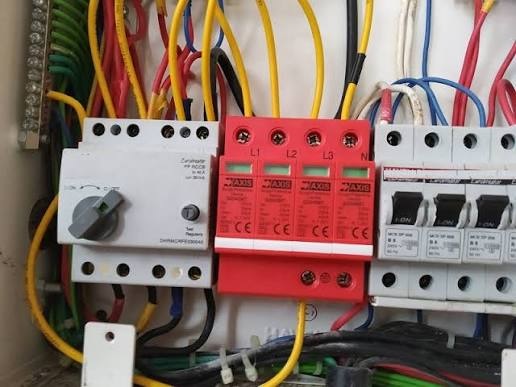
This makes Type 2 protection valuable for helping reduce transient energy before it reaches downstream circuits and connected equipment.
Important features include:
- Designed for distribution-level protection
- Handles common transient surge conditions
- Uses an 8/20 μs test waveform
- Helps protect downstream electrical circuits
How Type 1 And Type 2 Work Together
Rather than viewing the categories as competing solutions, they can form complementary stages within a coordinated protection strategy. Type 1 addresses higher-energy incoming surges, while Type 2 provides additional protection within the distribution network. This layered arrangement can strengthen overall system resilience when designed according to the installation’s characteristics.
Choosing Protection For System Requirements
Selecting an appropriate category involves considering the building’s electrical arrangement, exposure to lightning, distribution structure, equipment sensitivity, and applicable installation requirements. Reviewing ratings such as impulse current, discharge current, maximum continuous operating voltage, and voltage protection level can further support accurate selection.
A thoughtful approach to surge protection helps create a more dependable electrical environment while supporting equipment continuity and long-term system performance.