Proximity sensor testing ensures accurate and reliable performance results in various sensing environments. These tests validate the ability of sensors to detect nearby objects without physical contact, maintaining efficiency and stability. Proper evaluation helps ensure that sensing systems respond correctly under different conditions, reducing errors and improving automation quality. A structured testing approach enhances overall system reliability and supports consistent operational performance across diverse applications.
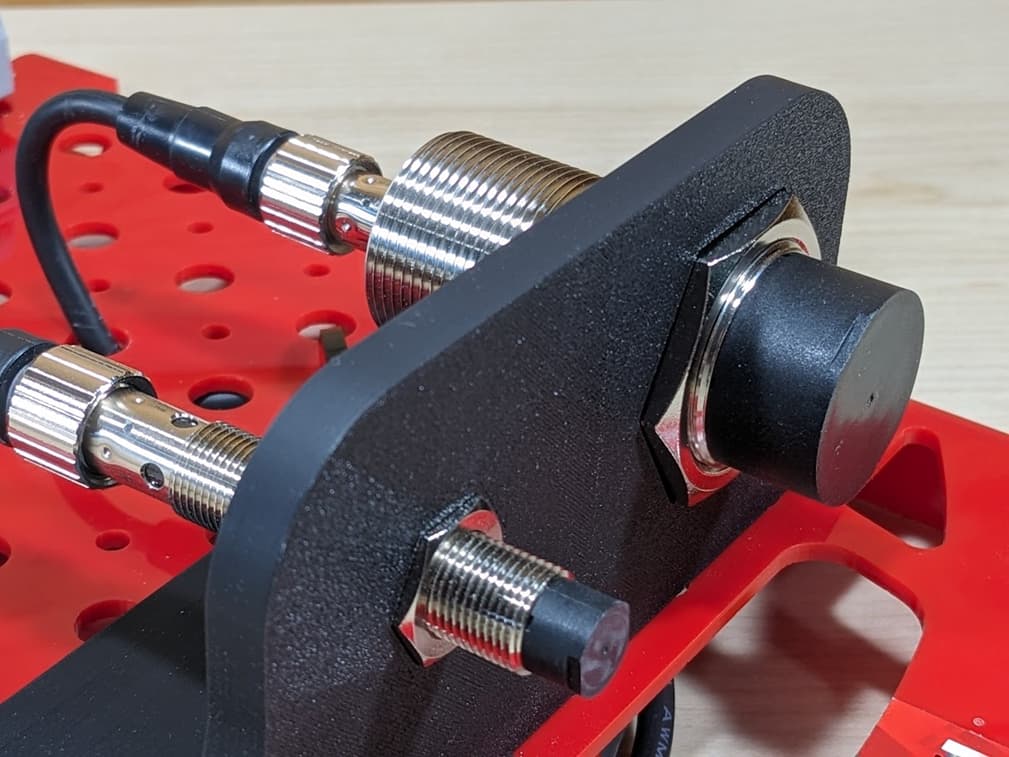
Importance of Proximity Sensor Testing
Testing is essential to confirm sensor accuracy, responsiveness, and stability. It helps identify inconsistencies and ensures that sensors function effectively in real-time environments. Reliable testing improves performance confidence and reduces operational disruptions. Learning electronics becomes easier when you understand how to test a proximity sensor using simple safe step-by-step methods today.
- Ensures precise detection of objects at varying distances
- Validates stable performance under changing environmental conditions
- Reduces risk of false triggering or missed detection
- Improves long-term operational consistency
- Supports quality assurance in automated systems
Key Testing Parameters
Accurate proximity sensor testing focuses on multiple performance parameters that define sensing quality. These parameters help evaluate detection range, response time, and environmental adaptability.
- Detection range accuracy across different distances
- Response time measurement for quick object recognition
- Sensitivity adjustment for varied object materials
- Stability under temperature and lighting variations
- Signal consistency during continuous operation
- Interference resistance from external factors
Benefits of Accurate Testing
Reliable testing delivers several advantages that enhance system performance and operational efficiency. It ensures that proximity sensors maintain dependable functionality in different conditions.
- Improves accuracy of automated detection systems
- Enhances efficiency in industrial and smart environments
- Reduces maintenance requirements and system downtime
- Supports safe and smooth operational workflows
- Increases confidence in sensor-based decision systems
- Strengthens overall equipment reliability
Applications and Reliability Assurance
Proximity sensor testing is widely applied across various automated systems where precise detection is required. It plays a vital role in maintaining operational accuracy and efficiency.
- Industrial automation and machinery monitoring
- Smart devices and consumer electronics
- Automotive safety and detection systems
- Robotics and motion control applications
- Security and access control systems
Best Practices for Consistent Results
Following structured testing practices ensures consistent and reliable results. It helps maintain sensor performance quality over time.
- Conduct tests in controlled environments
- Use standardized evaluation procedures consistently
- Monitor performance across multiple conditions
- Calibrate sensors for optimal accuracy
- Document results for quality tracking
- Perform repeated validation checks
Conclusion
Proximity sensor testing plays a crucial role in ensuring accurate detection and reliable system performance. Through systematic evaluation and consistent monitoring, sensors deliver dependable results that support advanced automation and improved operational quality across multiple applications.


